Top 10 Must-Visit Gaming Conventions Worldwide: The Ultimate Fan Guide
There's a specific kind of electricity in the air when 300,000 gamers descend on a single city. The smell of fresh merch, the roar from a packed esports arena, someone in an elaborate cosplay outfit stopping traffic near the entrance — gaming conventions are unlike any other live event. They're part trade show, part festival, part pilgrimage.
Whether you're a competitive player chasing EVO glory, an anime fan looking for the perfect crossover event, or simply someone who wants to go hands-on with games months before launch, there's a convention built exactly for you. This guide covers the world's best — ranked not just by size, but by the quality of experience they deliver.
What Makes a Gaming Convention Worth Attending?
A great gaming convention delivers more than product announcements — it creates a community experience you can't replicate at home. The best events combine scale, programming variety, genuine fan culture, and global reach into something that justifies the cost of a plane ticket.
Here's what separates the essential events from the forgettable ones:
- Scale and access: Can attendees actually play upcoming games, or is it just trailers on screens?
- Programming depth: Panels, developer Q&As, indie showcases, and competitive tournaments all add layers beyond the main floor.
- Community culture: Cosplay competitions, fan meetups, and after-hours events turn a convention into a shared memory.
- Global representation: The best events draw developers, publishers, and fans from multiple continents.
With those filters in mind, here are the conventions that consistently clear the bar.
The Titans: World-Renowned Gaming Conventions You Can't Miss
The largest gaming conventions on earth offer something no stream or YouTube recap can replicate: the physical experience of being surrounded by the industry at full force.
Gamescom — Cologne, Germany
Gamescom is the world's largest gaming event by attendance, regularly drawing over 300,000 visitors to Cologne's Koelnmesse exhibition center. What sets it apart from North American counterparts is its dual nature — a massive consumer-facing show running alongside a serious B2B trade floor. For fans, the Entertainment Area is the main draw: playable demos of AAA titles, exclusive world premieres, and a cosplay scene that fills entire halls.
The Opening Night Live showcase (produced by Geoff Keighley) has become one of gaming's most-watched annual events, often rivaling E3 in terms of announcement firepower. If you're flying in from outside Europe, budget at least three days — one day genuinely isn't enough.
PAX — Prime, East, West, and Australia
The PAX series, launched by the creators of Penny Arcade, built its reputation on being unapologetically fan-first. Unlike trade shows where press and industry get priority access, PAX is designed around the attendee experience. PAX Prime (Seattle) remains the flagship, but PAX East (Boston) and PAX Australia (Melbourne) have developed their own distinct personalities.
The tabletop gaming rooms, indie game showcases, and freeplay console libraries give PAX a community-driven warmth that larger corporate expos sometimes lack. It's also one of the best places to discover indie developers before their games blow up — the PAX Rising section has launched careers.
Tokyo Game Show
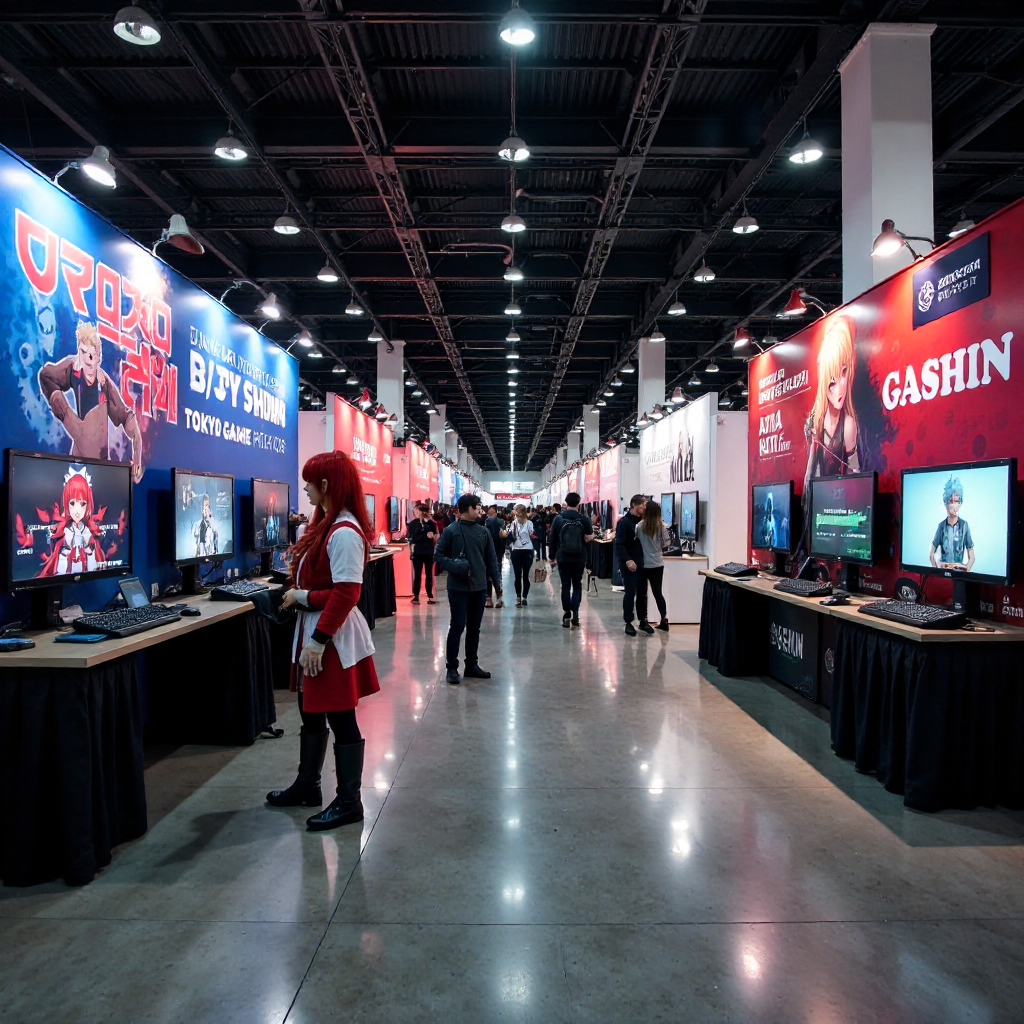
TGS is Japan's answer to Gamescom, held annually at the Makuhari Messe convention center near Tokyo. It's the single best place to get early access to Japanese RPGs, fighting games, and titles that Western publishers often overlook. The show splits neatly between business days (industry professionals) and public days (everyone else), and the public days are genuinely chaotic in the best possible way.
Cosplay culture at TGS leans heavily into anime game aesthetics — expect elaborate Final Fantasy, Persona, and Monster Hunter builds. The surrounding Chiba area also offers a convenient base for exploring Tokyo's gaming districts like Akihabara during the same trip.
Where Esports Takes Center Stage
Some conventions exist primarily to celebrate competitive gaming, turning esports tournaments into the main event rather than a side attraction.
EVO Championship Series
EVO (Evolution Championship Series) is the world's most prestigious fighting game tournament, held annually in Las Vegas. It's less of a convention in the traditional sense and more of a competitive pilgrimage — thousands of players travel from dozens of countries to compete in Street Fighter, Tekken, Mortal Kombat, and other titles. The atmosphere during top-8 finals is unlike anything else in gaming: loud, emotional, and completely unpredictable.
Even if you're not competing, attending EVO as a spectator is worth it. Side tournaments run constantly throughout the weekend, and the casual setups in hotel lobbies and side rooms create an informal tournament culture that runs 24 hours a day.
Esports-Integrated Expos
Beyond EVO, events like DreamHack (Sweden) and ESL One have built entire festival ecosystems around competitive gaming. DreamHack in particular blends LAN parties, esports tournaments, cosplay competitions, and music into a multi-day event that draws a fiercely loyal European fanbase. These shows prove that esports and fan convention culture aren't separate things — they're increasingly the same thing.
Anime, Pop Culture & Gaming: Conventions That Do It All
The most exciting growth area in convention culture is the overlap between gaming, anime, and broader pop culture — and several events have built entire identities around that intersection.
Anime Expo — Los Angeles
Anime Expo in Los Angeles has evolved well beyond its anime roots. Major Japanese game publishers now use AX as a platform for Western market announcements, and the gaming hall has expanded significantly in recent years. For fans who exist at the crossroads of anime and gaming — which is most of the internet at this point — AX delivers both in one place.
The cosplay at Anime Expo is some of the most ambitious in North America. Gaming characters from Genshin Impact, Elden Ring, and NieR: Automata share floor space with anime cosplayers, creating a visual spectacle that's genuinely hard to describe without seeing it.
Comic-Con International — San Diego
San Diego Comic-Con isn't a gaming convention, but its gaming overlap has grown substantial enough to earn a spot on this list. Major studios use SDCC to debut game trailers, announce adaptations, and host panels that blend gaming IP with film and TV. If you care about the broader pop culture ecosystem that gaming now inhabits — and most fans do — SDCC offers context you won't find at a pure gaming expo.
Hidden Gems: Underrated Gaming Conventions Worth the Trip
Some of the best convention experiences come from events that haven't yet been overwhelmed by their own success.
MAGFest (National Harbor, Maryland) runs over New Year's weekend and focuses almost entirely on gaming music, retro games, and community. The 24-hour gaming rooms, live chiptune concerts, and intimate panel discussions create an atmosphere closer to a fan gathering than a corporate expo. Attendance is capped in a way that keeps it from feeling like a crowd management exercise.
BitSummit in Kyoto is Japan's premier indie game showcase, giving small developers a platform that TGS can't always provide. If discovering the next Hollow Knight or Undertale before anyone else sounds appealing, BitSummit is where that happens in Japan.
EGX (London) serves the UK market with a well-organized consumer show that punches above its weight on playable demos. It's smaller than Gamescom but more manageable, and the London location makes it easy to combine with a city trip.
Tips for First-Time Convention Attendees
First-time attendees consistently make the same mistakes — and they're all avoidable with a little preparation.
- Buy tickets early. PAX Prime and Anime Expo sell out months in advance. Waiting until two weeks before the event often means paying resale prices or missing out entirely.
- Plan your schedule before you arrive. Most conventions release panel and demo schedules weeks ahead. Identify your three non-negotiables and build your day around those — then let everything else be spontaneous.
- Wear comfortable shoes. Convention floors are enormous. Eight hours on concrete in new sneakers is a miserable experience that ruins day two.
- For cosplay prep: If you're planning an elaborate costume, test the full build at home first, including mobility. Conventions have repair stations, but a catastrophic wardrobe failure at 10am is not how you want to start your day.
- Bring a portable charger. Your phone will die by noon if you're photographing cosplay, checking schedules, and posting updates. A 20,000mAh battery bank is not overkill.
- Budget for merch realistically. Convention-exclusive merchandise sells out fast and the temptation is real. Set a hard limit before you walk in.
How to Choose the Right Convention for You
The right convention depends entirely on what you want to get out of the experience. Matching your interests to the right event saves money and maximizes enjoyment.
If competitive gaming and esports are your primary interest, EVO and DreamHack are the obvious choices. Both center the tournament experience in a way that general expos don't.
If you want hands-on access to upcoming AAA and indie titles, Gamescom and PAX offer the deepest demo libraries. Tokyo Game Show is the better choice if Japanese publishers are your focus.
For the anime, cosplay, and gaming crossover experience — which is increasingly where gaming culture lives — Anime Expo and Tokyo Game Show deliver the most authentic version of that overlap. Both treat cosplay as a central part of the event, not an afterthought.
If you're bringing family or younger attendees, PAX events are generally the most welcoming, with dedicated family gaming areas and a community culture built around inclusivity. Gamescom also has family-specific areas, though navigating the scale can be challenging with young children.
Budget matters too. Regional events like EGX, MAGFest, and BitSummit cost significantly less than flying to Cologne or Tokyo — and for discovering indie games and building community connections, they often deliver comparable value at a fraction of the price.
Frequently Asked Questions
What is the biggest gaming convention in the world?
Gamescom in Cologne, Germany is the largest gaming convention by attendance, regularly drawing over 300,000 visitors across its public days. Tokyo Game Show is the largest in Asia.
Are gaming conventions family-friendly?
Most major conventions are family-friendly, though the experience varies. PAX events are particularly well-organized for families, with dedicated areas and a community culture that actively welcomes younger attendees. Some content at larger expos (mature-rated game demos, certain panels) may not be suitable for young children.
How much does it cost to attend a major gaming convention?
Entry costs vary widely. Day passes for PAX typically run $50–$70 USD, while Gamescom offers tiered ticketing. Add travel, accommodation, food, and merchandise, and a full weekend at a major international convention can realistically cost $500–$2,000+ depending on location and travel distance.
Can I meet game developers at these conventions?
Yes — developer panels, signings, and booth appearances are common at most major gaming conventions. PAX and Gamescom are particularly strong for developer access. Indie-focused events like BitSummit and PAX Rising offer even more direct interaction with small studio teams.
What should I bring to a gaming convention?
Comfortable shoes, a portable phone charger, cash (some vendors don't accept cards), a reusable water bottle, and any cosplay supplies you might need for repairs. A small backpack works better than a large bag for navigating crowds.