The Role of Social Media in Building Hype for an Anime and Gaming Convention
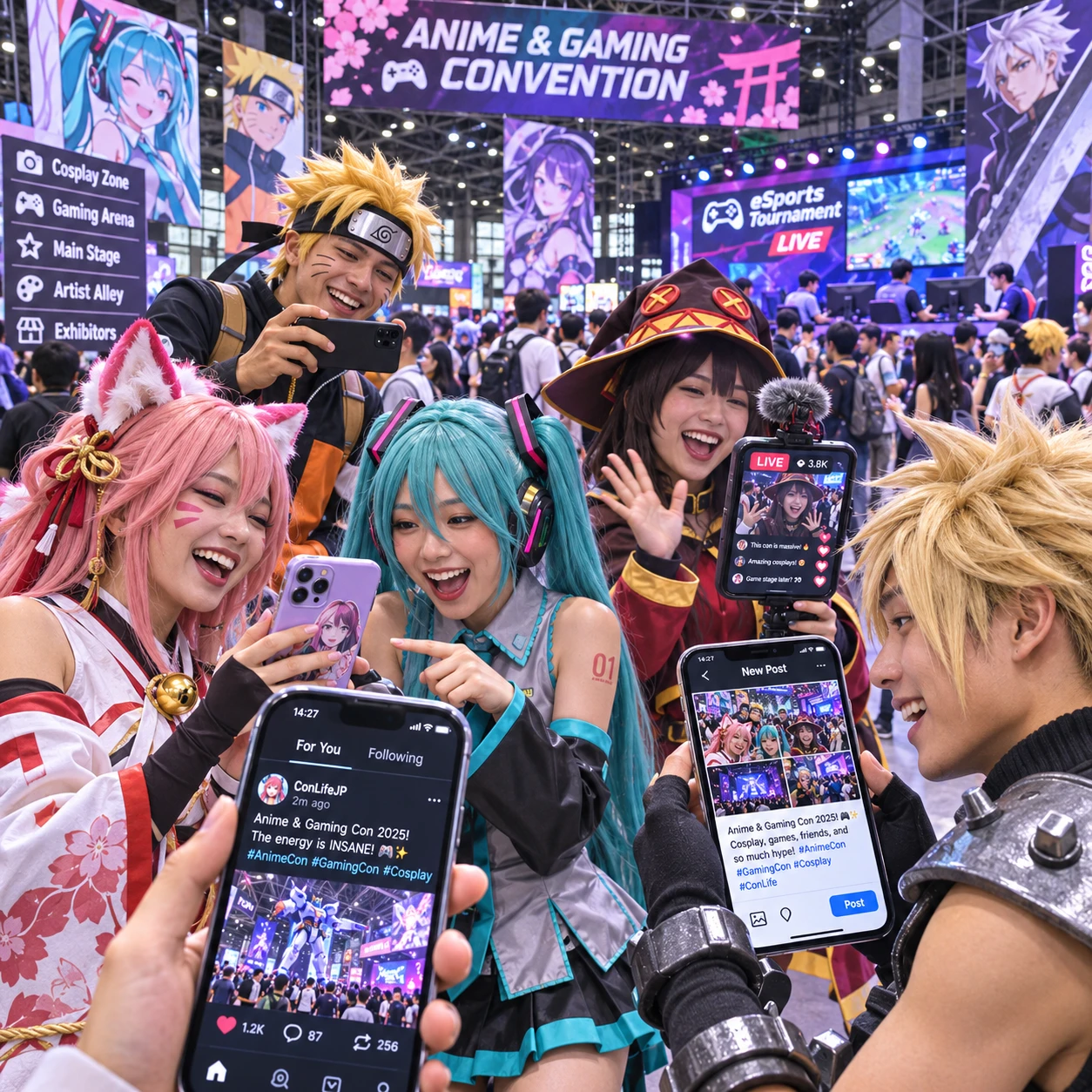
For an anime and gaming convention, excitement often starts well before the doors open. A guest reveal sparks group chats, a cosplay preview fills feeds, and a tournament announcement gives competitors a reason to invite their friends. Social media helps organizers turn those moments into an ongoing conversation, while giving fans, exhibitors, creators, and guests ways to shape the event’s story.
That conversation works best when every exciting post also helps people understand what they can do, when they can do it, and how to take part. Hype can raise awareness and strengthen a fan community, but it cannot replace clear schedules, ticket information, or access details.
Why social media matters for convention hype
Social media builds convention hype by making event news visible, shareable, and participatory. It helps anime and gaming fans discover the convention, follow its progress, and feel connected to the people who will be there.
A useful way to think about social promotion is as a three-step path: discovery, anticipation, and participation. A fan might first see an exhibitor’s post, follow the event account after a guest announcement, then share a cosplay preview or use the official convention hashtag. Each step gives the community another reason to talk about the event.
Unlike a single advertisement, a series of posts can reveal the convention gradually. Organizers can introduce guests, show how the show floor is taking shape, and highlight different parts of the program. Attendees can respond with their own plans, questions, art, and costume progress. That back-and-forth creates a sense of shared ownership that a one-way announcement cannot.
Still, reach is not the same as attendance. A post can attract likes without helping someone decide whether to buy a ticket. Make every major announcement easy to act on: include the event date, location, ticket link, or a clear direction to the official information page. Social engagement is a route to the event, not proof that someone will attend.
Choose platforms and content that fit your audience
Choose social platforms based on how your anime and gaming audience prefers to discover, discuss, and share events. Match the format to the message instead of posting identical content everywhere.
Short-form video works well for quick reveals and visual moments: a cosplay runway preview, a glimpse of the arcade area, or a guest inviting fans to a panel. Livestreams suit longer conversations, such as a Q&A with an artist or a walkthrough of the convention floor. Image-led posts can spotlight cosplay, exhibitor products, and schedule highlights, while community channels can support ongoing discussion and practical questions.
- For anime fans: share cosplay showcases, voice-actor or artist announcements, panel previews, and fan-art features.
- For gaming fans: post tournament formats, registration deadlines, featured games, and details about demo stations or free-play areas.
- For exhibitors and creators: offer reusable graphics, short interview prompts, and clear instructions for tagging the official account.
- For attendees: publish saveable posts with dates, transit and access information, opening times, and schedule updates.
One platform may be strongest for discovery, another for discussion, and another for video. Choose channels your team can maintain consistently; a neglected account can make an event feel less active. Check platform analytics and audience questions to learn which formats are earning useful responses, rather than treating view counts as the only measure.
Turn announcements into moments fans want to share
Guest announcements, gaming tournament news, exhibitor spotlights, and event countdowns can become shareable moments when each gives fans a specific reason to respond. Plan them as a sequence of meaningful reveals, not a stream of interchangeable promotional graphics.
A guest announcement could include a short video greeting, the guest’s convention appearance details, and a prompt asking fans which work or character they hope to discuss. A tournament post should explain the game, format, eligibility, sign-up deadline, and where matches will take place. Those practical details help competitors decide whether they can enter and give them something useful to pass along.
Creator and exhibitor spotlights add texture to the event. Introduce an independent artist with a preview of their prints, or let a game developer demonstrate a feature attendees can try on site. Ask participants to share the post with their own communities, but give them assets and accurate wording they can use. A repost is easier when the information is already clear.
An event countdown can create rhythm without turning every day into a sales pitch. For example, use the final two weeks to share one guest, cosplay, gaming, or logistics feature each day, then reserve the last posts for arrival tips and schedule reminders. The countdown is most useful when it builds anticipation and reduces uncertainty at the same time.
Be careful with surprise reveals. They can generate conversation, but withholding core information such as dates, venue, ticket options, or accessibility details can frustrate people who need to plan ahead. Keep the essentials public, and use surprise for bonus programming or creative presentation.
Let the community help build excitement
Fans help build convention excitement when organizers invite them to contribute in clear, low-pressure ways. Cosplay previews, fan polls, creator submissions, and attendee posts can turn promotion into a shared activity.
Start with prompts that are easy to answer and safe to participate in. Ask which game should feature in a casual free-play area, invite cosplayers to share a work-in-progress photo, or poll fans on a panel topic. Explain how submissions may be used, set a deadline where needed, and provide an alternative for people who prefer not to post publicly.
The official convention hashtag gives attendees a simple way to find and share event-related posts. Keep it short, distinctive, and easy to spell. Put it on event graphics, ticket emails, signage, and the social bio. Encourage attendees to use it for cosplay photos, schedule discoveries, meetups, and tournament moments; do not imply that every post will be featured by the official account.
User-generated content can also surface details organizers might miss. Attendees may share a favorite artist, a clever cosplay, or a helpful tip about navigating the venue. With permission, repost or compile selected contributions and credit their creators. Establish simple moderation rules for the hashtag and community spaces, especially around harassment, spoilers, and inappropriate images.
Participation should feel like an invitation, not unpaid work. A fan poll can inform a small programming choice, but be honest about what the results can influence. Clear expectations help maintain trust, even when organizers cannot accommodate every request.
Keep the buzz going during and after the event
Keep social media active during and after the convention with timely updates, attendee content, livestreams, and highlights. Live coverage helps people on site navigate the event and lets remote fans share in selected moments.
During the convention, prioritize information attendees need now: room changes, schedule reminders, queue guidance, and tournament results. Use short-form video for quick atmosphere shots or a cosplay showcase, and livestream only when the guest, venue, and production setup allow a clear, respectful broadcast. Tell people where and when a stream will happen, and plan around consent for anyone likely to appear prominently.
Assign a team member to monitor comments and direct urgent questions to the right staff. A social account cannot solve every on-site problem, so publish the proper help desk or staff contact for time-sensitive issues. Keep live posts accurate; an outdated room number can send a crowd in the wrong direction.
After the event, thank attendees, guests, exhibitors, volunteers, and creators. Share a photo recap, tournament winners, standout cosplay moments, and a short feedback survey. Tag contributors where appropriate and ask before using close-up images in future promotional materials. A post-event gallery can give fans a reason to reconnect, while responses to the survey can inform the next convention.
Rather than letting the account go quiet until the next ticket launch, share occasional community highlights or a date announcement when it is confirmed. Keep the pace sustainable. Consistent, relevant updates matter more than filling every gap with a post.
Make online excitement useful for attendees
Social media excitement becomes useful when every major post points attendees toward accurate event details and a clear next step. Pair the emotional appeal of a reveal with the practical information someone needs to plan.
For each announcement, check whether readers can quickly find the event date, venue, ticket status, schedule, age guidance, accessibility information, and travel or entry instructions. Not every post needs every detail, but it should point to a reliable source for them. Pin a post with essential information and update it when plans change.
Calls to action should fit the post. A guest reveal can invite fans to buy tickets or submit a panel question; a tournament announcement can link directly to registration; a cosplay showcase can ask attendees to share their progress with the hashtag. Keep links and deadlines visible, and avoid sending people through several pages to complete a simple action.
A practical check before publishing is: What is happening? Who is it for? What should the reader do next? If the post answers those questions, it can build anticipation without leaving fans to guess. Social media may support attendance and community participation, but ticket sales and engagement still depend on the event itself, its audience, and the clarity of its information.
Frequently asked questions
How far in advance should a convention start posting on social media?
Start posting as soon as the date, venue, and basic event information are confirmed, often several months ahead. Early posts establish awareness; later updates can introduce guests, tournaments, exhibitors, and schedule details. The right timeline depends on the event’s scale and how far attendees need to travel.
What kinds of convention posts are fans likely to share?
Fans often share posts that connect to their interests or help them make plans: guest announcements, cosplay showcases, tournament details, creator and exhibitor spotlights, and clear schedule updates. Give each post an easy next step and enough context to make sense when shared outside the official account.
How can attendees use the official event hashtag?
Attendees can add the official convention hashtag to cosplay photos, panel discoveries, tournament updates, meetups, and other event posts. Check the spelling first, follow the event’s community guidelines, and avoid sharing private information or images of others without permission.
How can organizers keep social media engagement going after the convention?
Share a thank-you, event highlights, winners, and a feedback survey soon after the show. Credit contributors and ask permission before reusing attendee photos. Then maintain a light presence with community posts or confirmed updates, rather than posting frequently without useful news.