Spotlight on Indie Games: How to Find Hidden Gems at Gaming Expos
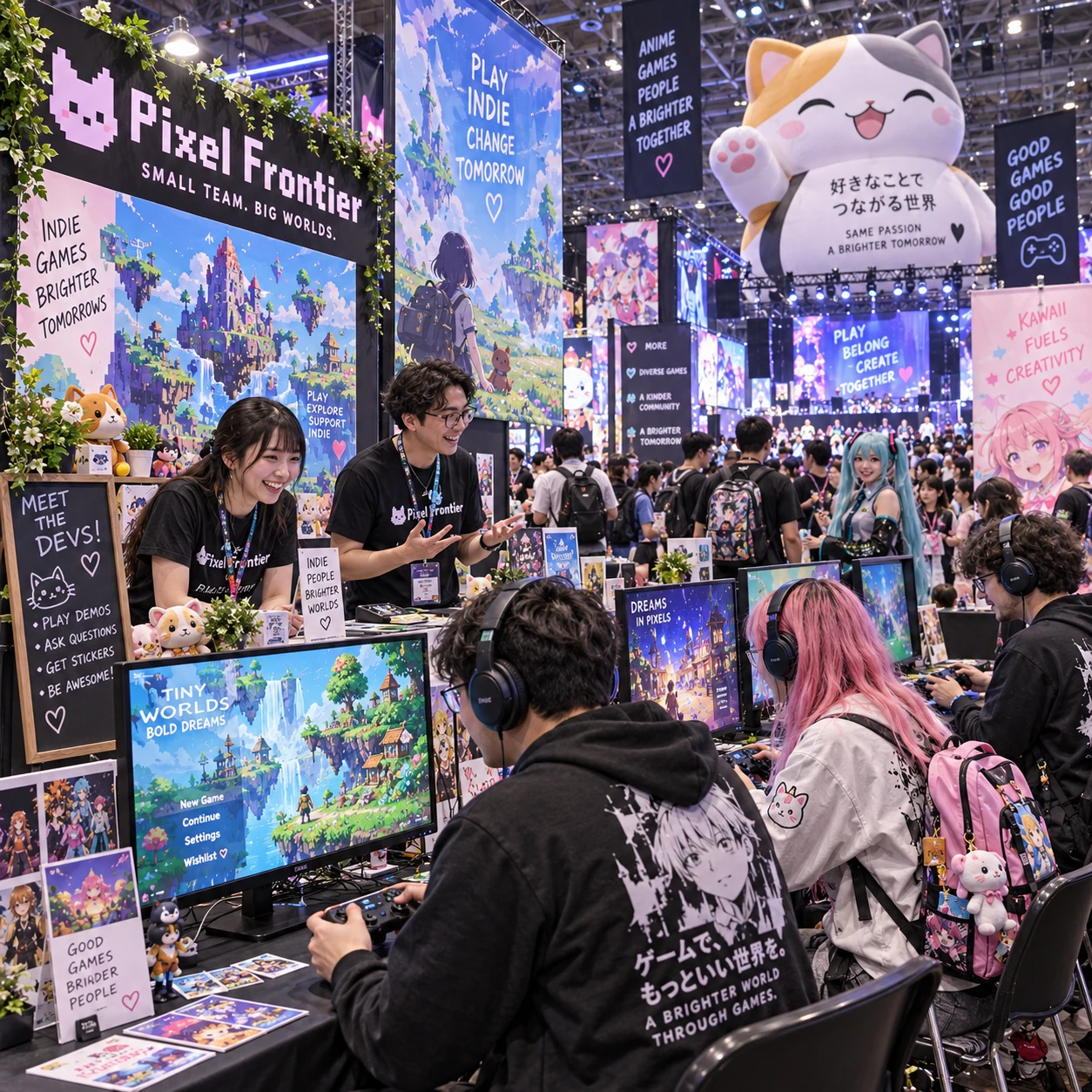
At a gaming expo, a standout discovery might be waiting beyond the biggest screens and loudest trailers. Indie games often bring inventive mechanics, personal stories, and distinctive art styles to the show floor, where a few minutes with a playable demo can reveal more than a polished advertisement.
Whether you are attending a dedicated gaming expo or an anime and gaming convention, a little planning helps you find smaller booths, make the most of short demos, and meet the indie game developers behind them. Here’s how to explore with curiosity and leave with a list of games worth following.
Why indie games stand out at conventions
Indie games stand out at conventions because smaller teams can take creative risks and present ideas that feel personal, unusual, or focused. Their show-floor demos offer a direct way to experience those choices for yourself.
Without the same production scale or expectations as major releases, an independent studio may build a game around one strong concept: a surprising control scheme, a carefully observed character, or a world shaped by a distinctive visual style. That focus can make an indie game easy to recognize even in a crowded expo hall. A simple-looking demo might hinge on an original puzzle, while a narrative game could draw you in through dialogue and atmosphere rather than spectacle.
Conventions also bring developers and players into the same space. You can see how someone responds when a mechanic clicks, hear a creator explain what inspired a scene, or watch community feedback influence a conversation about the game. That connection is part of the appeal, though it does not guarantee every promising demo will become a finished release. Small teams work with limited time and resources, and plans can change.
Think of indie discovery as a three-part check: curiosity (does the idea catch your attention?), interaction (does playing feel engaging?), and context (does the team’s explanation add useful insight?). You do not need all three to find a game memorable, but using them helps you look beyond a striking poster.
Where to look for hidden gems
To find hidden gems, check indie-focused areas, game showcases, demo stations, and smaller booths as well as the main expo floor. A quick scan of the event map and program can show you where to begin.
Look for labels such as independent games, student projects, creator showcases, or local developers. Some conventions group indie game developers in a dedicated area; others place their booths among merchandise, tabletop games, or general gaming exhibitors. If the map is vague, ask an information desk or browse the event’s official exhibitor list before you arrive.
Showcase stages can be useful, especially when presenters demonstrate several games in a short session. Note the titles that interest you, then visit their booths if they have playable demos. But don’t treat stage time as a quality ranking. A game may be memorable without appearing in a headline presentation, and a quiet booth may give you a better chance to play and ask questions.
- Start with the edges. Walk the less prominent rows, where smaller teams may have fewer visitors and more time to talk.
- Follow a visual clue. An unusual illustration, handmade sign, or clear gameplay image can signal a game worth investigating.
- Use a short-list, not a rigid route. Mark a few must-see booths, then leave space for unexpected finds.
- Check queue length and return. If a demo is busy, note the booth and come back during a quieter stretch.
Keep your schedule flexible. An expo floor changes pace throughout the day, and an extra ten minutes at an unexpected booth may be more valuable than rushing between every showcase.
How to make the most of a demo
To make the most of a playable demo, understand its goal, try the core action, and notice how the game responds. A short session is enough to judge whether you want to learn more, even if it cannot show the full experience.
Before you start, ask whether the demo has a tutorial or a particular objective. Convention builds may begin midway through a level, skip story setup, or use temporary controls. Knowing what you are meant to do prevents a confusing first minute from becoming your whole impression.
Then focus on the loop. What action do you repeat? Does the game give clear feedback when you succeed or fail? If you get stuck, notice whether the challenge feels intriguing or simply unclear. A demo is a sample, not a final verdict: it may be an early build, and a brief convention session rarely reveals the pacing of a full game.
- Ask what the demo is designed to show, especially if the build starts mid-level.
- Try one central mechanic more than once. Repetition can reveal whether it has depth or becomes tedious.
- Notice the interface: are goals, controls, and important information understandable?
- Give the demo a fair chance, but leave if it is not for you. Other attendees may be waiting.
- Write down one specific reaction, such as “movement feels precise” or “the tutorial was hard to follow.”
If a game catches your interest but the station is crowded, ask whether the developers have a trailer, press kit, or public demo link. That lets you keep moving without missing the chance to revisit it later.
Meet the people behind the games
Talking with indie game developers can reveal why a game works the way it does and what its demo leaves out. A brief, considerate question often gives you more useful context than a longer sales pitch.
Start with something specific you noticed: “How did you arrive at this movement mechanic?” or “What did you want players to feel in that scene?” These questions invite a real explanation and show that you engaged with the game. If a booth is busy, keep the exchange short and let other visitors take their turn.
Developers may explain design decisions, influences, accessibility options, or challenges during production. They may also be testing a build and listening for patterns in community feedback. You can share what worked for you and where you felt lost, while making clear that one player’s reaction is only one perspective.
Respect the limits of the setting. Don’t photograph screens or record a conversation without permission, and avoid demanding a release date or promises the team may not be ready to make. Indie projects can change as development continues. A friendly exchange is valuable even if the developer cannot answer every question on the spot.
What to notice beyond the graphics
When evaluating an indie game, look beyond its graphics at mechanics, atmosphere, storytelling, accessibility, and originality. These elements determine how the game feels to play and whether its style supports its ideas.
A striking art style can draw you to a booth, but pay attention to how the game uses it. Does color guide you through a puzzle? Do sound and animation make actions feel satisfying? Does the narrative emerge through dialogue, setting, or player choices? A modest visual presentation can still create a strong sense of place when its pieces work together.
Also consider accessibility. Look for options such as adjustable text size, remappable controls, subtitles, reduced visual effects, or different difficulty settings. A demo may not include every planned option, so ask the team rather than assuming. Accessibility needs vary, and no short checklist can tell every player whether a game will suit them.
Originality does not always mean an entirely new genre. It might be a familiar platform game with an unusual movement system, or a narrative adventure that gives ordinary choices surprising weight. Ask yourself whether the game has a clear point of view and whether its mechanics support that point of view. That’s often more revealing than counting features.

Take your discoveries beyond the expo
To follow indie games after an expo, record each title, the booth or developer, and what you liked, then use the team’s official channels for updates. A simple note keeps an exciting show-floor moment from turning into a game you can’t remember.
Use a notes app or a small notebook. For each discovery, capture the title, one detail about the demo, and a follow-up clue such as the studio name or a social handle. If you take a photo of a booth sign, ask first and make sure the image includes enough information to identify the game later.
After the convention, look for the developer’s official website, store page, newsletter, or social account. Wishlist or follow a game only if you genuinely want updates; those signals can help teams understand interest, but they are not a promise of a release date. If the game is still in development, check back when the team shares a new demo or announcement.
Finally, compare your notes while the experience is fresh. Separate “I liked the art” from “I enjoyed playing it” and “I want to know what happens next.” That small distinction helps you choose which games to revisit, recommend to friends, or watch as they develop.
Quick answers for convention visitors
How can I find indie game booths at a convention? Check the exhibitor map and program for indie areas, creator showcases, and demo stations. Ask staff where independent developers are exhibiting, and leave time to explore quieter rows.
What should I look for when trying an indie game demo? Focus on the main mechanic, the clarity of feedback, and whether the experience makes you curious to continue. Remember that a short or early demo cannot represent every part of the finished game.
Is it worth talking to indie developers at expos? Yes, if the booth is not too busy and you keep the conversation respectful. A specific question can provide context about design choices and development, while your concise feedback may help the team understand how players experience the demo.
Indie games reward attentive wandering. Give a small booth the same curiosity you would bring to a major showcase, try the demo with an open mind, and leave with a few details that help you find the game again. The best expo discovery may be the one you had no plan to make.