Merchandise Hunting 101: How to Find Rare Collectibles at Anime and Gaming Events
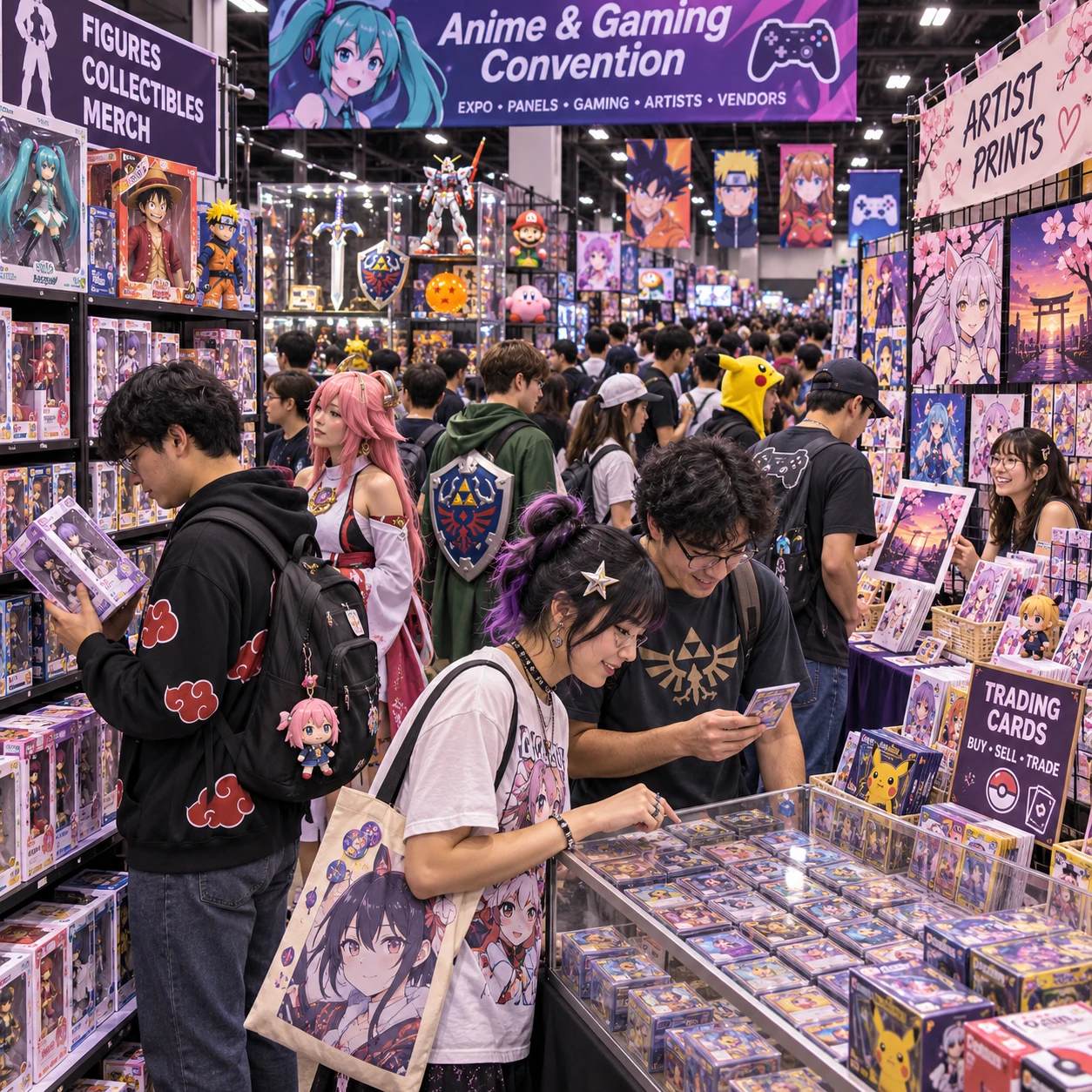
Finding a rare collectible at an anime or gaming convention takes more than luck. A little research, a clear budget, and a calm shopping plan can help you locate limited-edition merchandise without missing a panel, overspending, or carrying a fragile figure around all day.
Availability varies by event, artist, and seller, so no guide can promise a particular item will be there. Treat each lead as a possibility to verify, and make decisions based on the item, its condition, and your own priorities—not the pressure of a crowded booth.
Know What You’re Hunting For
To find rare convention collectibles, choose a few specific targets, decide what condition you’ll accept, and set a firm budget before shopping. A focused list helps you spend time on the items you care about rather than buying something only because it looks scarce.
Start by naming the series, game, character, or artist you collect. Then narrow the hunt to a category such as trading cards, figures, art books, enamel pins, or convention exclusives. If you are looking for a figure, note its release name, manufacturer, scale, and any identifying packaging details you can confirm in advance.
- Must-find: A specific item you would regret passing up at a fair price.
- Nice-to-find: A related item you will consider if it fits your budget.
- Walk-away price: The maximum you are comfortable paying, including tax where applicable.
Set an overall merchandise budget, then keep a small reserve for an unexpected find. That reserve should not become permission to ignore your limit. If an item is beyond your budget, take a photo of the listing or booth information—with the seller’s permission—and compare options before deciding.
Research Before the Convention
Before an anime or gaming convention, check official event announcements, exhibitor lists, and brand or artist updates for likely exclusives and seller locations. This research can reveal leads and help you plan, but it cannot guarantee stock or tell you how quickly an item will sell.
Look for announcements from the convention, licensed brands, game publishers, artists, and participating vendors. Search for terms such as “convention exclusive,” “limited edition,” and “event-only,” then verify who is making or selling the item. A product described as limited may still be available later, while an unannounced item may appear at an independent booth.
Save the exhibitor list and event map offline in case the venue’s Wi-Fi is unreliable. Make a short note of the booth name, location, and what you want to ask. For artist alley, browse artists’ official pages before the event; many share previews of prints or handmade work and may explain whether an item is a small run or a continuing product.
Use announcements as a starting point, not proof of authenticity. A seller’s social post can help you identify a booth, but check the item itself and ask clear questions before paying. Remember that exhibitor lists can change, and popular merchandise may sell out before you arrive.
Plan Your Route and Timing
Use the event map and schedule to visit your highest-priority booths at a sensible time, then leave room to return. A route reduces unnecessary backtracking, but a rigid itinerary can fail when lines, room closures, or schedule changes disrupt your plan.
Mark the vendor hall and artist alley booths connected to your targets, then group nearby stops together. Check the convention schedule for panels, signings, and other events you do not want to miss. If an exclusive is clearly limited and the seller has confirmed a release time, prioritize that stop while following the convention’s line and entry rules.
For other items, an early visit can give you more choice; a later visit may let you compare booths after you have seen more of the market. Neither timing guarantees a better deal. Ask whether the seller expects restocks or has only the displayed quantity, and do not assume a verbal estimate is a promise.
Leave a buffer for queues and a second pass through promising areas. A quick first lap lets you spot prices and compare similar pieces; a deliberate return helps you decide without blocking aisles or buying under pressure. Keep the map handy and check official event updates for changes.
Shop Smart in the Vendor Hall and Artist Alley
Shop the vendor hall and artist alley by comparing similar items, asking direct questions, and checking each seller’s terms before buying. Vendor booths may carry licensed figures, trading cards, and mass-produced goods; artist alley often features original art and handmade merchandise, though the mix varies by convention.
When you see a promising item, pause long enough to inspect it and ask:
- Is this new, used, opened, or a display item?
- Is the item officially licensed, artist-made, or an unlicensed fan product?
- Are there known box flaws, missing parts, or other condition issues?
- What is included, and what is the seller’s return or exchange policy?
Compare like with like. A sealed figure and an opened figure with all accessories are not equivalent, and an artist’s signed print should be compared with the same size and edition when possible. Check whether a price includes tax and whether the vendor accepts your preferred payment method. Keep receipts or transaction records.
Availability and demand can shift during a convention, but scarcity alone is not a reason to rush. If you need a moment, step out of the line and decide away from the booth. Follow event rules, respect sellers’ policies, and avoid pressuring artists or vendors to discount their work.
Check Authenticity, Condition, and Price
Check a collectible’s source, construction, packaging, condition, and price before buying; none of these clues alone proves authenticity. A high price or a “rare” label is not evidence that an anime figure, trading card, or game item is genuine.
Start with the seller’s description and ask whether the item is officially licensed or independently made. For branded merchandise, look for manufacturer or licensing information on the product and packaging, then compare those details with reliable official product information when available. Examine print quality, logos, labels, seams, paint, and included parts. Counterfeits can imitate packaging, so treat visual checks as indicators rather than a guarantee.
Inspect condition in good light. For a figure, check for loose joints, paint transfer, cracks, missing accessories, and damage to the box if packaging matters to you. For trading cards, look at corners, edges, surface, and centering without bending or handling the card carelessly. Ask the seller before opening sealed packaging or taking close-up photos.
For price comparison, check several booths where possible and compare the same edition, condition, and included accessories. Online listings can offer context, but asking prices are not necessarily completed sale prices, and shipping or fees can change the total. If the item’s identity or condition remains unclear, walk away. A missed purchase is often easier to live with than a costly mistake.
Protect Your Finds
Protect convention purchases by bringing suitable storage, keeping fragile items stable, and planning how you will carry them home. The right setup depends on what you collect: a card needs different protection from a large boxed figure or a rolled art print.
- Carry a clean, rigid card holder or sleeves for trading cards, and avoid putting loose cards in a packed bag.
- Use a portfolio or protective tube for prints, following the artist’s advice about handling and rolling.
- Bring a sturdy tote or backpack with room for boxes; do not crush packaging under heavier purchases.
- Keep small parts, receipts, and certificates together in a secure pocket.
Handle purchases with clean hands and keep food, drinks, and open pens away from collectibles. For boxed figures, place the box upright where possible and cushion it from bumps. If you are driving, secure items so they cannot slide; if you are taking public transit, keep valuables close and avoid leaving merchandise unattended.
There is a trade-off between carrying protection all day and traveling light. Choose a compact kit based on your target items rather than bringing supplies you will not use. Before leaving the venue, check that you have every accessory, your receipt, and the item itself.
Frequently Asked Questions
How early should I arrive to shop for convention exclusives?
Arrive early if the convention or seller has announced a limited release or timed line, and follow the event’s official entry rules. For other merchandise, early arrival may offer more selection, but it does not guarantee that an item will be available or that you will get a better price.
How can I spot counterfeit anime or gaming merchandise?
Check licensing and manufacturer details, compare packaging and construction with reliable product information, and inspect the item for inconsistent logos, printing, paint, or missing parts. Ask the seller about its source. No single clue is conclusive, so avoid buying when the seller cannot answer basic questions or the details do not add up.
Should I buy a rare item as soon as I see it?
Buy immediately only if the item matches your target, passes your condition and authenticity checks, and fits your budget. If the details or price feel uncertain, step aside and compare alternatives. A scarcity claim should not override your own buying criteria.
What should I bring to protect collectibles during the event?
Bring sleeves or a rigid holder for cards, a portfolio or tube for prints, and a sturdy bag with space for boxed items. Add padding for fragile purchases if you expect to carry them for several hours, and keep receipts and small accessories secure.