How to Prepare for Your First Anime Convention: A Beginner's Guide
Walking into your first anime convention can feel like stepping into another dimension. Thousands of people dressed as their favorite characters, walls lined with fan art, and the hum of excited conversation everywhere you turn. It's a lot — in the best possible way. But a little preparation goes a long way toward making that experience genuinely great rather than overwhelming.
What to Expect at an Anime Convention
An anime convention is a multi-day fan gathering built around anime, manga, gaming, and pop culture, typically organized into several distinct zones that each offer something different. Knowing what these areas are before you arrive removes a lot of the first-timer anxiety.
Most cons share a similar layout. The Dealer's Room or Vendor Hall is the commercial heart — rows of booths selling figures, apparel, accessories, and imported goods. Nearby, the Artist Alley showcases independent creators selling original prints, stickers, and handmade items directly to fans. These two areas alone can easily fill an entire day.
Beyond shopping, conventions run a packed schedule of panels, Q&A sessions with voice actors or industry guests, screening rooms showing new or classic series, and gaming tournaments. Cosplay is woven through everything — you'll see elaborate handcrafted costumes alongside simple closet builds, and the atmosphere is genuinely celebratory rather than competitive.
The fandom community at a con tends to be welcoming to newcomers. People bond quickly over shared interests, and it's completely normal to strike up a conversation with a stranger because you recognize their character.
Registering and Planning Your Schedule in Advance
Register early — convention badges sell out, and early registration almost always costs less than buying at the door. Most major cons open registration months in advance, and some offer tiered ticket types (single-day, weekend pass, VIP) with different access levels.
Once you have your badge sorted, download or bookmark the convention schedule as soon as it goes live. Programming guides are usually released a week or two before the event and list every panel, screening, and special event with times and room locations.
Go through the schedule and mark your must-attend panels first. Popular events — especially autograph sessions with guests — fill up fast, sometimes requiring a separate ticket or early queue. Build your day around those anchors, then fill gaps with exploration time rather than cramming every hour.
One practical tip: screenshot or print your key schedule items. Convention center Wi-Fi is notoriously unreliable when thousands of people are connected simultaneously.
What to Pack — Your Essential Convention Bag
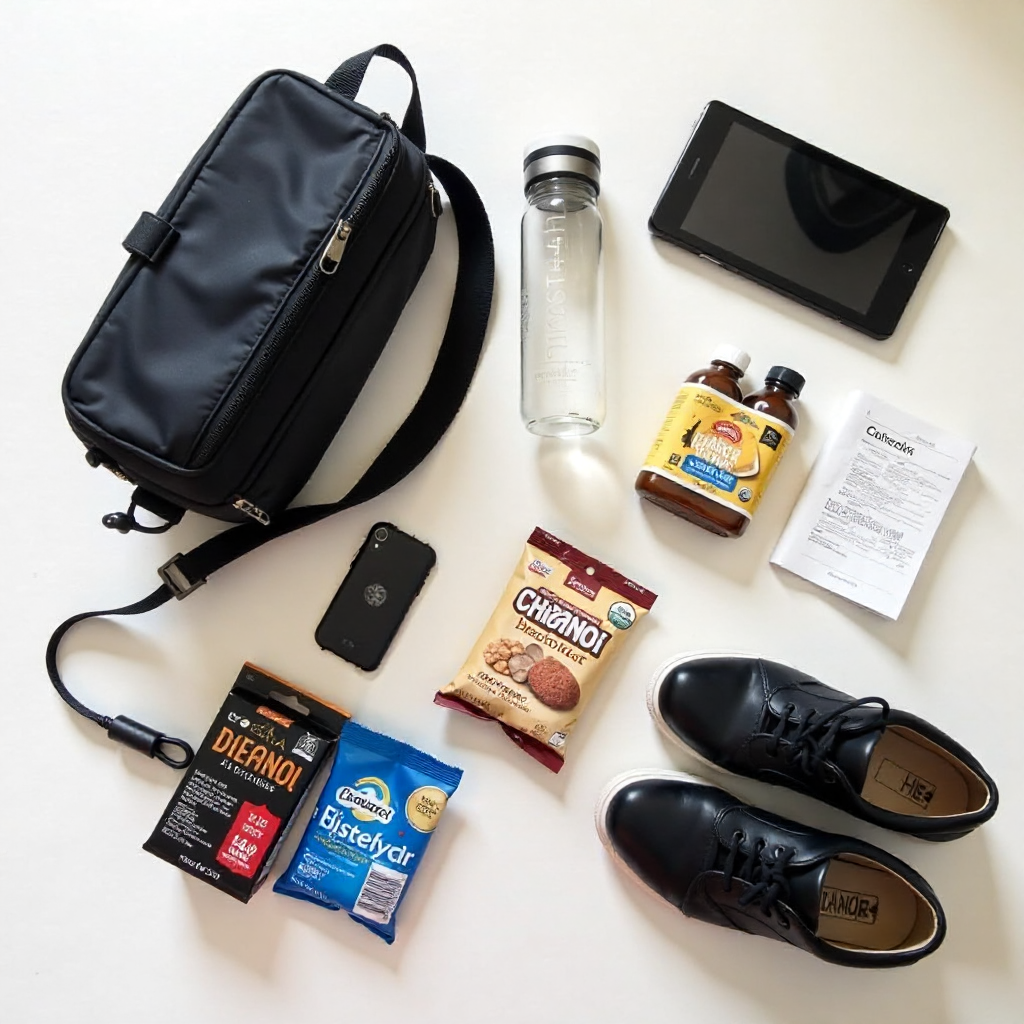
Your bag can make or break a full day on the convention floor. Pack light enough to carry comfortably for eight-plus hours, but don't skip the essentials.
- Comfortable shoes — This is non-negotiable. Convention floors are hard concrete, and you will walk far more than you expect. Break in any new footwear before the event.
- Portable charger — Your phone battery will drain from photos, maps, and schedule apps. A high-capacity power bank keeps you connected all day.
- Cash — Many Artist Alley vendors and smaller dealers don't accept cards, or their card reader fails at the worst moment. Bring more than you think you'll need.
- Reusable water bottle — Convention centers are warm, especially with crowds. Staying hydrated prevents the mid-afternoon energy crash that hits many first-timers.
- Snacks — Food vendors inside cons are expensive and lines are long. A few snacks in your bag save both money and time.
- Small first-aid kit — Blister plasters, pain relievers, and any personal medication. Small but worth it.
- Tote bag or foldable bag — For your merchandise haul. Carrying heavy swag in a backpack all day gets uncomfortable fast.
If you're cosplaying, add a basic repair kit: safety pins, double-sided tape, and any spare pieces specific to your costume.
Cosplay Tips for First-Timers
You absolutely don't need to cosplay to attend a convention, but if you want to try it, your first costume doesn't need to be elaborate. The most important thing is that you enjoy wearing it for a full day.
Choose a character you genuinely love over one that looks impressive in photos. A costume you're excited about carries more energy than a technically complex one you're struggling to keep together. For a first build, prioritize comfort and mobility — avoid costumes with giant props, fragile headpieces, or shoes that are difficult to walk in.
The biggest mistake first-timers make is underestimating con crunch — that last-minute panic when you realize the costume isn't finished and the event is tomorrow. Start earlier than feels necessary, and have a backup plan (or a backup outfit) if something doesn't come together in time.
Closet cosplays, where you assemble a character's look from everyday clothing, are completely valid and often very clever. They're also a low-pressure way to participate in cosplay culture without a large time or financial investment.
Convention Etiquette Every Beginner Should Know
The unwritten rules of con etiquette exist to keep the space enjoyable for everyone, and most of them come down to basic respect. Learning them before you arrive saves you from awkward moments.
The most important rule: always ask before photographing a cosplayer. Just because someone is in costume doesn't mean they've consented to being photographed by every person who passes. A quick "Can I take a photo?" is all it takes, and the answer will almost always be yes — cosplayers generally love the recognition.
Respect personal space in crowded areas. Convention floors get packed, especially near popular booths or during peak hours. Be patient in lines, don't cut, and be mindful of large props or wide costume pieces that can accidentally bump into people.
A few other etiquette basics worth knowing:
- Don't touch someone's costume without permission, even if it looks sturdy.
- Keep panel rooms quiet during screenings — save your reactions for the right moments.
- If a cosplayer declines a photo, accept it gracefully and move on.
- Be kind to convention staff and volunteers; they're working hard to keep things running.
Budgeting for Artist Alley and the Dealer's Room
Set a spending limit before you walk in, because both Artist Alley and the Dealer's Room are designed to make you want everything you see. Having a number in mind prevents the post-con regret of an empty wallet and a bag full of impulse purchases.
A useful approach: do a full walk-through of Artist Alley before buying anything. Note the artists and items that genuinely excite you, then go back for the ones you can't stop thinking about. This filters out the "it looked cool in the moment" purchases and ensures your money goes toward things you'll actually treasure.
In the Dealer's Room, prices on popular items can vary significantly between vendors. If you spot something you want, check two or three booths before committing — the same figure or print might be cheaper a few rows over.
Reserve a portion of your budget specifically for Artist Alley. Those purchases directly support independent creators, and you'll often find genuinely unique artwork that isn't available anywhere else. It's one of the most meaningful ways to spend money at a con.
Making the Most of Your First Con Experience
The best first convention experiences come from balancing planned events with unstructured time to wander and be surprised. Don't schedule every hour — leave room to follow an interesting conversation or stumble into a panel you didn't know you'd enjoy.
Pace yourself, especially if it's a multi-day event. The energy of a convention is genuinely exciting, and it's easy to push through exhaustion on day one and feel wrecked by day two. Build in breaks, sit down when you can, and eat actual meals rather than just snacking.
Engage with the fandom community around you. Strike up a conversation with someone whose costume you admire. Attend a panel for a series you're curious about but haven't watched yet. Join a group photo when cosplayers are gathering. These spontaneous moments are often what people remember most.
And don't worry about doing it perfectly. Every experienced con-goer has a story about forgetting something, missing a panel, or getting lost in the convention center. It's part of the experience. Your first anime convention is less about optimization and more about discovering why people keep coming back year after year.
Frequently Asked Questions
Do I have to cosplay to attend an anime convention?
No — cosplay is entirely optional. Many attendees come in regular clothes and have a fantastic time. The convention experience is built around panels, shopping, screenings, and community, none of which require a costume.
How much money should I bring to my first anime convention?
It depends on your priorities, but a reasonable starting budget for a single day is $50–$150 for spending money, separate from your badge and travel costs. Artist Alley prints typically run $10–$30, while figures and merchandise in the Dealer's Room can range from $15 to well over $100.
Can I attend an anime convention alone?
Absolutely. Solo attendance is common, and conventions are one of the easier environments to meet people because shared interests are everywhere. Many attendees who came alone have left with a group of new friends.
What is the best way to meet people at a con?
Complimenting someone's cosplay is one of the most natural conversation starters. Attending panels and fan meetups for specific series also puts you in a room with people who share a very specific interest — conversations start easily from there.
Are anime conventions appropriate for younger attendees or families?
Most large conventions are family-friendly overall, though content varies by area and event. Some panels or merchandise may be aimed at adult audiences. Check the specific convention's age policies and programming guide in advance, and look for events that explicitly welcome younger fans or offer family programming tracks.