Exclusive Interviews with Industry Insiders: Game Developers and Animators
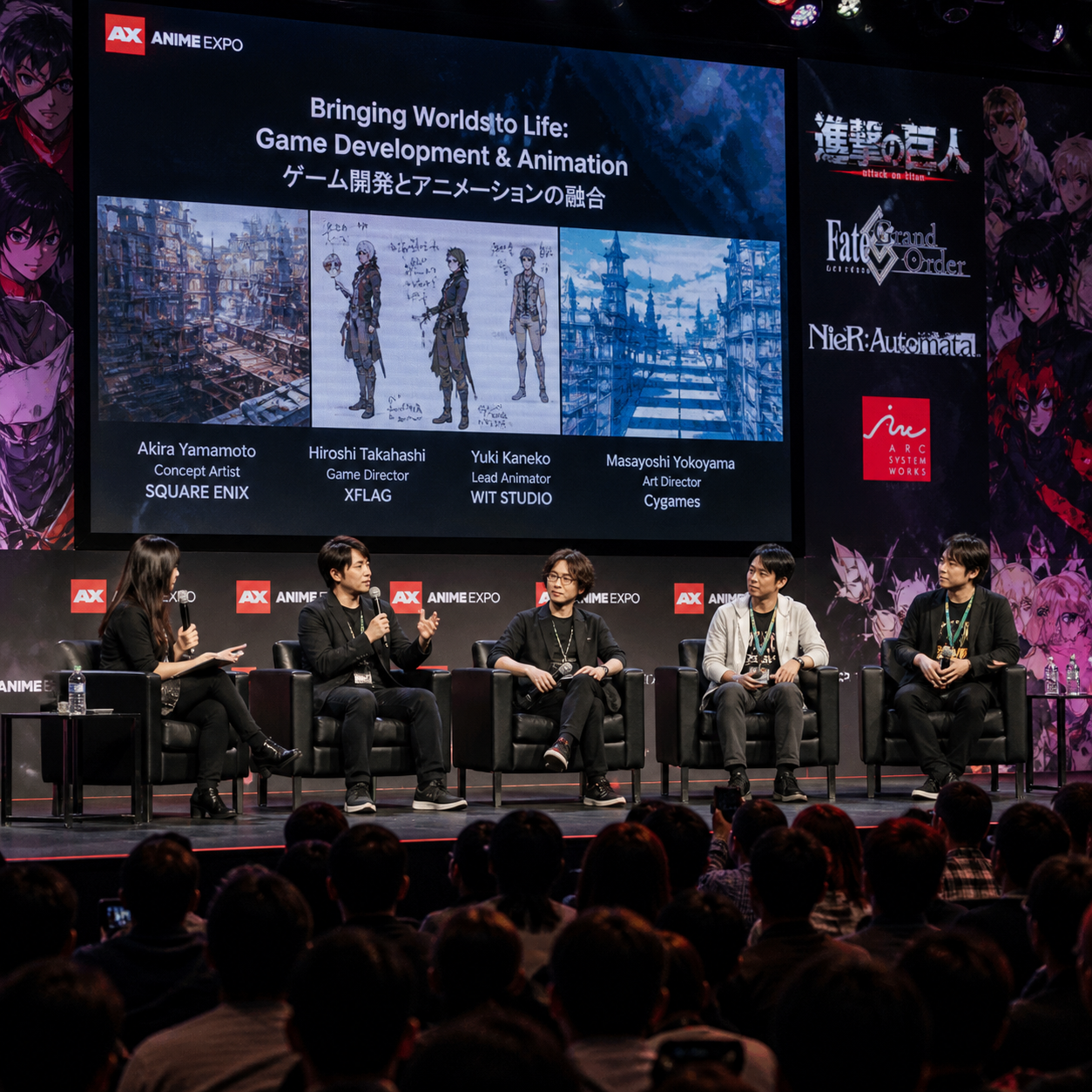
At an anime and gaming convention, a finished game or animated series can feel almost magical. Yet behind every dramatic fight, expressive character, and memorable world stands a long chain of creative decisions. Developer and animator interviews open that chain to fans, revealing the people, experiments, compromises, and revisions hidden behind the final screen.
Why Industry Insider Interviews Matter
Industry insider interviews matter because they explain how creative vision becomes a playable game or finished animation. They connect visible results, such as game design and character animation, with the less visible work of planning, testing, collaboration, and problem-solving.
A trailer may show a polished battle sequence, but an interview can reveal why the team changed its timing, redesigned a character, or removed a feature that did not support the player experience. An animator might describe how a few carefully chosen poses communicate emotion more effectively than dozens of rushed movements. A game designer may explain how rules guide player behavior without making the experience feel restrictive.
These conversations also make creative careers easier to understand. Fans often use “developer” or “animator” as broad labels, although each project depends on specialists with different responsibilities. First-hand perspectives show how writers, artists, programmers, directors, and performance professionals contribute to a shared result.
The most valuable interviews avoid promotional language alone. They discuss uncertainty, failed prototypes, late revisions, and the decisions that improved the work. That honesty gives aspiring creators realistic expectations and helps audiences appreciate the labor behind entertainment.
Meet the Creators Behind Games and Animation
Game developers and animators occupy different roles, but both work within highly collaborative production teams. Developers create the systems, content, and technology of an interactive experience, while animators bring movement, expression, and performance to characters and worlds.
- Game designers shape mechanics, progression, challenges, controls, and the relationship between player choice and story.
- Programmers build the systems that make movement, combat, artificial intelligence, interfaces, and tools function.
- Concept artists explore visual directions for characters, environments, costumes, creatures, and props before production begins.
- Animators create movement for games, films, series, cutscenes, and promotional material. Their work may include 2D animation, 3D animation, motion capture cleanup, or visual effects.
- Writers develop dialogue, lore, character arcs, quests, scripts, and the narrative logic that holds a project together.
- Directors and producers coordinate creative goals, schedules, resources, feedback, and communication across departments.
- Voice actors and performance specialists contribute vocal interpretation, facial expression, physical reference, and motion-driven character detail.
Animation production and video game development overlap in areas such as storyboarding, character design, visual development, and performance direction. Their constraints differ, however. Animation controls the audience’s viewpoint and timing, while games must respond to player input, technical limits, and unpredictable behavior. Good interviews make those distinctions clear without burying fans in jargon.
From First Idea to Finished Project
A game or animated project usually moves through concept creation, design, prototyping, production, testing, revision, and final presentation. The stages overlap, and teams often return to earlier decisions when new information exposes a problem.
1. Concept and worldbuilding
Projects begin with a premise, mood, mechanic, visual idea, or character relationship. Worldbuilding establishes the setting’s rules, history, culture, and visual identity. At this point, creators ask whether the idea can sustain a complete experience rather than only a striking opening scene.
2. Character design and storyboarding
Character artists explore silhouettes, costumes, proportions, expressions, and movement. Storyboarding then translates ideas into visual sequences, including camera direction, action beats, dialogue, and emotional timing. In animation, storyboards can expose pacing problems before expensive production starts. In games, they may guide cutscenes, quests, combat encounters, and cinematic moments.
3. Prototyping and preproduction
Game teams build small prototypes to test whether a mechanic feels satisfying. Animation teams create rough motion tests, animatics, and layout studies. These early versions are intentionally incomplete. Their purpose is to answer focused questions: Is the movement readable? Does the control scheme make sense? Does the scene communicate its emotional turn?
4. Production, testing, and revision
Once the direction becomes clearer, artists, animators, writers, and programmers produce the main content. Testing identifies confusing interactions, visual glitches, weak performances, or pacing issues. Revisions may affect a single pose or an entire level. Choosing polish for one sequence can mean accepting less detail elsewhere, especially when time, memory, or staffing is limited.
5. Final presentation
Near release, teams focus on integration, quality assurance, accessibility, localization, performance, editing, and delivery. The audience sees a coherent final work, but interviews often remind us that coherence emerged from thousands of separate decisions.
Creative Challenges and Problem-Solving
Creative challenges are solved through iteration, communication, and careful prioritization. Industry interviews are especially useful when they explain why a team changed its original plan instead of presenting success as effortless.
One common tension is artistic ambition versus technical reality. A detailed costume may look excellent in concept art but become unreadable during fast gameplay. A complex animation may require more processing power than a target platform can provide. Creators must decide whether to simplify the design, change the camera, improve the technology, or reserve detail for a slower scene.
Feedback creates another challenge. Useful criticism identifies a specific problem, such as unclear character motivation or an attack that lacks readable anticipation. Teams then test a possible correction rather than treating every opinion as an instruction. This distinction protects the project’s identity while keeping it responsive.
Deadlines add pressure. A practical interview question is, “What did you protect when time became limited?” The answer may reveal a team’s priorities: character acting, core mechanics, story clarity, accessibility features, or performance stability.
- Problem: A character feels visually appealing but difficult to animate. Response: simplify shapes, clarify joints, and test movement early.
- Problem: Players miss an important gameplay cue. Response: adjust contrast, timing, sound, camera framing, or animation anticipation.
- Problem: Departments interpret the same scene differently. Response: use shared references, clear documentation, and regular review sessions.
Convention Conversations and Behind-the-Scenes Access
Anime and gaming conventions create direct access through interviews, panels, demonstrations, portfolio reviews, and audience questions. The setting encourages a two-way exchange between industry professionals and the communities that follow their work.
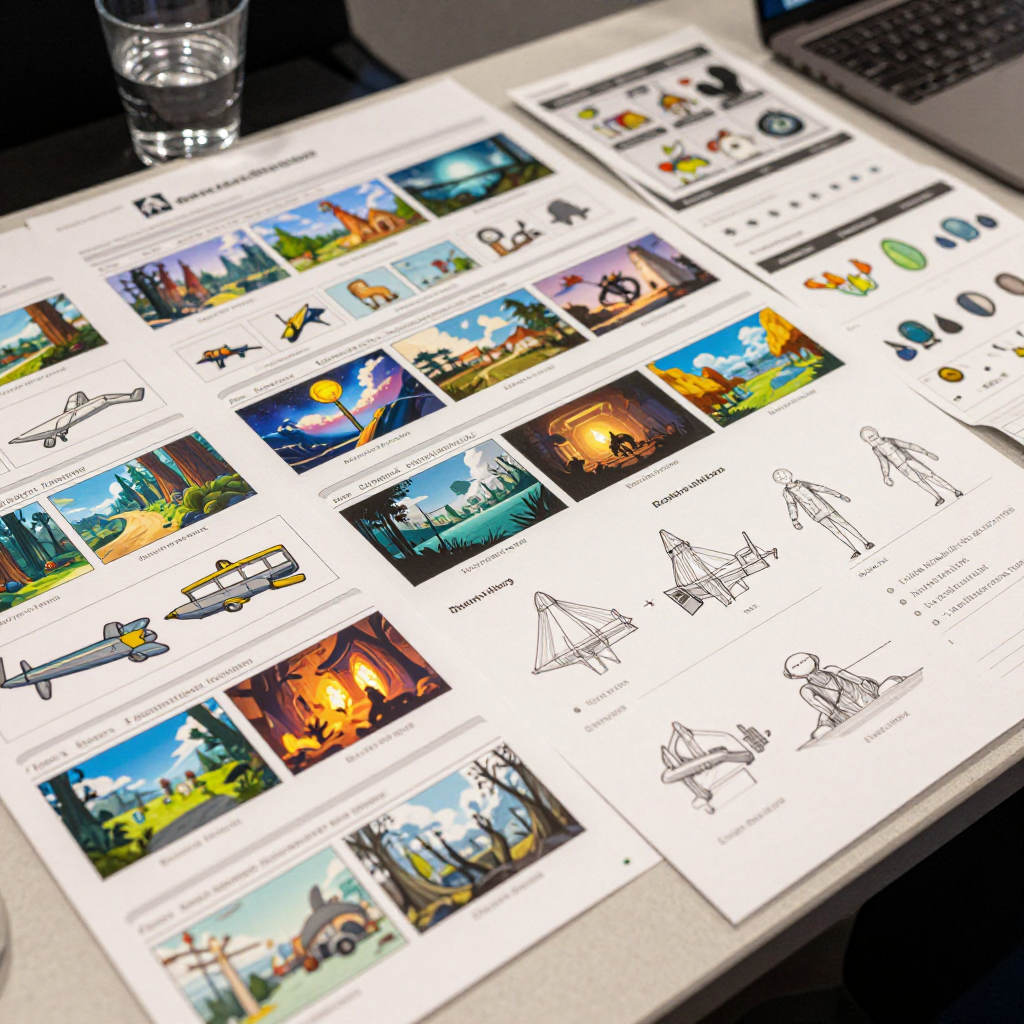
A convention interview can capture details that a formal press release leaves out. A developer may demonstrate an early interface and explain how playtesting changed it. An animator may compare a rough blocking pass with the final performance. A writer may discuss how a character’s voice influenced a scene’s structure. These small demonstrations turn abstract production language into something visible.
Audience questions often produce the most memorable insights because they connect professional practice with fan curiosity. Questions about favorite characters can lead to discussions of silhouette and acting. Questions about a difficult boss can reveal encounter pacing, animation readability, and accessibility considerations.
Conventions also support emerging talent. Portfolio discussions can clarify what studios look for in a reel, while informal conversations may lead to mentorship or collaboration. The trade-off is that event schedules are short and answers may remain high-level. Readers should treat a convention conversation as a valuable window into production, not a complete account of a studio’s methods.
Advice for Aspiring Developers and Animators
Aspiring developers and animators should build skills through small finished projects, focused practice, and a clear portfolio. Waiting for perfect equipment or a large team often delays the most useful learning.
- Choose one practical direction, such as gameplay programming, environment art, storyboarding, 2D character animation, technical art, or narrative design.
- Create a small project with a defined finish line. A 30-second animation or one playable scene can teach more than an unfinished epic.
- Keep process evidence, including thumbnails, prototypes, animation tests, design notes, and revisions. Employers and collaborators want to see judgment, not only polished outcomes.
- Request specific feedback. Ask whether the action reads clearly, whether the pacing works, or whether the portfolio communicates your intended role.
- Collaborate early. Shared projects teach file organization, version control, communication, deadlines, and the compromises of real production.
- Study existing work closely. Pause an animated scene, map its key poses, analyze a game loop, or recreate a simple mechanic to understand the decisions underneath.
A portfolio should be easy to evaluate within a few minutes. Lead with your strongest relevant work, label your contribution honestly, and explain the problem you solved. A beautiful group project becomes less useful if viewers cannot tell whether you designed the mechanic, animated the character, wrote the dialogue, or supported the team in another role.
What Fans Can Learn from Industry Insiders
Fans learn to see games and animation as layered systems of design, performance, technology, and storytelling. An interview can change how you notice a character’s idle pose, a game’s feedback sound, or the timing of a camera cut.
Game design becomes easier to appreciate when creators explain how mechanics communicate theme. A quiet exploration sequence may teach the player through space and sound, while a combat system may express a character’s personality through speed, range, and risk. Animation techniques become more visible when fans understand anticipation, squash and stretch, key poses, facial acting, and the rhythm of a performance.
These insights also encourage more thoughtful criticism. Instead of saying that a scene “looks bad,” viewers can ask whether the staging is unclear, the motion lacks weight, the character design limits expression, or the technical presentation undermines the intended effect. That vocabulary improves conversations between fans and creators.
The best convention interviews leave audiences with both excitement and respect. They reveal that memorable work often depends on ordinary habits: testing an idea, listening carefully, revising without ego, and protecting the details that make a fictional world feel alive.
Frequently Asked Questions
What can fans learn from interviews with game developers and animators?
Fans can learn how creators develop concepts, design characters, build mechanics, storyboard scenes, test ideas, and revise work under real production constraints. Interviews also explain why certain artistic and technical choices appear in the finished project.
Which roles are involved in game development and animation production?
Teams may include game designers, programmers, concept artists, animators, writers, directors, producers, editors, sound specialists, voice actors, technical artists, and quality assurance professionals. Responsibilities vary by studio and project size.
How do conventions help aspiring creators connect with industry professionals?
Conventions offer panels, portfolio reviews, workshops, demonstrations, signing sessions, and informal community spaces. Aspiring creators should prepare a concise introduction and ask focused questions rather than requesting a full career consultation during a busy schedule.
What questions should you ask a game developer or animator?
Ask about a difficult creative decision, the first prototype, feedback that changed the project, collaboration between departments, or a skill they wish they had developed earlier. Questions about process usually produce more useful answers than requests for private production information.
How can someone begin a career in game development or animation?
Start with a manageable project, practice consistently, learn the tools relevant to your chosen role, and assemble a portfolio that shows both finished work and process. Community feedback, collaborative projects, courses, and convention networking can help you identify your next practical step.