Cosplay Tips and Tricks for Authentic Character Representation at Conventions
Walking onto a convention floor in a costume that genuinely captures a character — not just their silhouette, but their energy, details, and presence — is one of the most rewarding experiences in fandom. It takes more than a sewing machine and some fabric. Authentic character representation is part research, part craft, and part performance. This guide breaks down each layer so you can approach your next cosplay with real purpose, whether it's your first build or your fifteenth.
Start with Deep Character Research
The foundation of any authentic cosplay is thorough character research. Before cutting a single piece of fabric or buying a wig, spend serious time studying your character from every available source.
Character reference sheets — also called model sheets or official artwork — are your primary resource. These are the documents animators and game designers use to keep a character consistent across media. Many are publicly available through fan wikis, art books, or official studio releases. They show the character from multiple angles, with color swatches and detail callouts you simply won't notice from watching a single episode.
Go beyond static images. Watch anime episodes or gameplay footage specifically to observe how the character moves, what their default posture looks like, and which details appear consistently versus which vary by scene. Pay attention to small things: the direction a collar folds, whether a belt sits high or low, how a cape catches the light.
Keep a dedicated reference folder — screenshots organized by costume component work well. This becomes your blueprint for every decision that follows.
Nail the Costume: Fabric, Construction, and Screen Accuracy
Choosing the right materials is where screen accuracy either comes together or falls apart. Fabric selection determines how a costume looks under convention lighting, how it drapes during movement, and how long it holds up across a full event day.
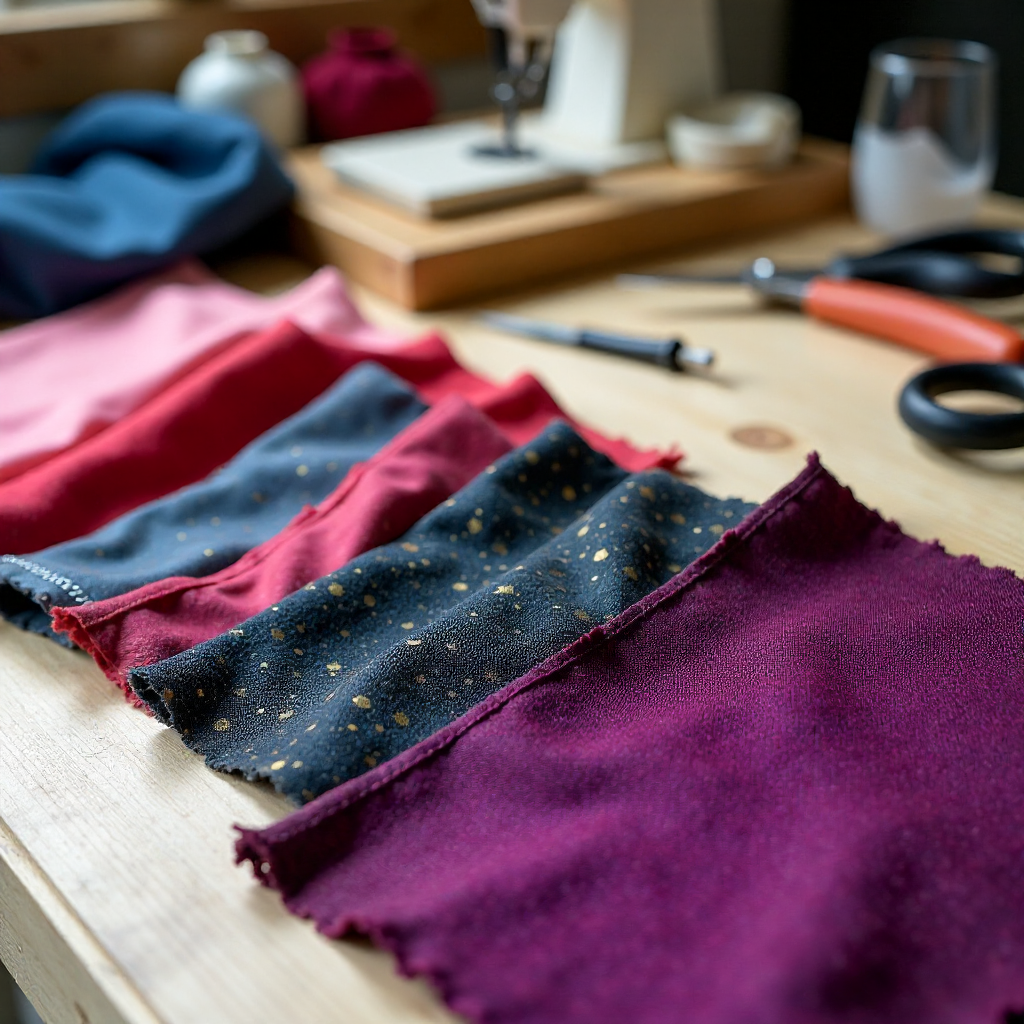
Match texture to what the character's design implies. A knight's armor shouldn't look like soft cotton — even if you're using foam, the paint finish and surface treatment need to sell rigidity. A silk-like robe character calls for a fabric with actual sheen and drape, not a stiff quilting cotton. When in doubt, test your fabric under bright artificial lighting before committing, since convention floors often use harsh overhead lights that expose cheap-looking materials immediately.
For construction methods, the right approach depends on your skill level and the character's design. Foam (EVA foam in particular) remains the most accessible material for armor and structural pieces. Worbla — a thermoplastic sheeting material — offers more precision for detailed shapes and holds paint exceptionally well. 3D printing has become increasingly viable for small props, buttons, and insignia that would be tedious to hand-sculpt.
One honest trade-off worth accepting early: perfect screen accuracy sometimes conflicts with wearability. A character's pauldrons might look enormous in artwork but become genuinely dangerous in a crowded hallway. Scaling down structural elements by 10–15% for live wear is a practical compromise most experienced cosplayers make without apology.
Master the Details — Props, Accessories, and Finishing Touches
Small, accurate details are what separate a recognizable cosplay from a truly memorable one. Props, accessories, and finishing touches carry more visual weight than most beginners expect.
Prioritize the details that appear in the character's most iconic scenes or poses. If a character is always shown holding a specific weapon or accessory, that item becomes part of their visual identity — skipping it leaves the costume feeling incomplete to anyone familiar with the source material. Focus your energy and budget on those high-visibility elements first.
- Prop making for weapons and large accessories: foam-and-Worbla combinations give structural integrity with manageable weight. For convention use, lighter is almost always better.
- Insignia, patches, and emblems: print on fabric transfer paper for clean results, or commission small laser-cut pieces for raised detail.
- Jewelry and small accessories: craft stores carry findings that can be painted and modified to match canon designs far more cheaply than custom fabrication.
- Edge finishing on props and armor: weathering, dry-brushing, and sealing coats are what make hand-built pieces look intentional rather than amateur.
Character accuracy at this level signals to other fans that you've done the work. It's also what generates the best photo opportunities on the convention floor — people recognize the details before they consciously register the full costume.
Wig Styling and Makeup for Character-Accurate Features
Wig styling and makeup are often where cosplayers either close the gap between themselves and a character or leave it wide open. Both require practice, but neither requires professional training to do well.
For wigs, start with a quality base in the correct color. Heat-resistant fibers give you the flexibility to use styling tools — straighteners, curling irons — to achieve the shapes that make anime and game hairstyles possible. Teasing and hairspray build volume and hold gravity-defying spikes. Wiring works for extreme shapes that teasing alone can't sustain.
Securing a wig properly matters as much as styling it. Bobby pins through the wig cap, combined with wig grip bands or a lace-front application, prevent shifting during a long convention day. Test your wig setup before the event — wear it for two to three hours at home to identify any pressure points or slippage issues.
On the makeup side, contouring and color matching are the two most impactful techniques. Contouring can reshape the perceived structure of the face to match a character's proportions. Color matching — particularly for SFX elements like unusual skin tones, scars, or markings — requires testing under the same lighting conditions you'll encounter at the event. Natural daylight and convention fluorescents render colors very differently.
Embody the Character — Poses, Mannerisms, and Personality
A costume is a shell. What fills it is body language, posing, and the character's distinct energy. This is the dimension most cosplayers underinvest in, and it's immediately visible in photos and interactions on the convention floor.
Study your character's signature poses from official artwork and in-game animations. Most characters have two or three recurring stances — a combat ready pose, a casual idle, a victory moment — that fans recognize instantly. Practice these in front of a mirror until they feel natural. The goal isn't theatrical performance; it's muscle memory that kicks in when someone asks for a photo.
Beyond poses, consider posture and movement. Does the character carry themselves with confidence, nervousness, arrogance, or warmth? These qualities show in how you walk, hold your shoulders, and make eye contact. Even small adjustments — lifting your chin slightly for a proud character, or keeping your movements deliberate for a stoic one — register subconsciously to people who know the source material.
Catchphrases and brief in-character interactions can be fun, but use them selectively. A single well-delivered line lands better than forcing every conversation into character dialogue.
Prepare for the Convention Day — Comfort, Repairs, and Confidence
Surviving a full convention day in cosplay requires preparation that goes well beyond the costume itself. Comfort and durability are not afterthoughts — they directly affect how confidently and consistently you represent your character.
Build a repair kit tailored to your specific costume. At minimum, this should include: hot glue sticks and a mini glue gun, safety pins in multiple sizes, fabric tape, touch-up paint for any prop surfaces, and spare fasteners for your most vulnerable attachment points. Identify which parts of your costume are most likely to fail under movement and reinforce them before the event, not after.
Mobility planning matters more than most first-time cosplayers expect. Walk through your full range of motion during your final fitting — sit down, climb stairs, navigate a narrow doorway. If any element restricts movement significantly, address it before convention day. Costumes that fight you physically make it nearly impossible to stay confident and in-character.
Hydration and scheduled breaks aren't optional, especially in elaborate builds. Heavy costumes, wigs, and makeup all increase physical strain. Plan specific times to step aside, drink water, and decompress. Coming back refreshed keeps your energy and your character representation consistent through the afternoon hours when fatigue typically sets in.
Engage with the Cosplay Community for Growth and Feedback
The cosplay community is one of the most genuinely supportive creative communities in fandom culture. Engaging with it — both at conventions and online — accelerates skill development in ways that solo practice simply can't match.
At conventions, seek out other cosplayers from the same fandom or with similar construction styles. Compliment specific details you notice — this opens real conversations about techniques and sourcing. Many experienced cosplayers are generous with knowledge when approached with genuine curiosity rather than flattery.
Online forums, Discord servers, and social media groups dedicated to cosplay offer year-round access to feedback, tutorials, and community challenges. Sharing work-in-progress photos and asking specific questions — "Does this armor texture read as metal under convention lighting?" — gets more useful responses than general approval-seeking posts.
Workshops at anime, gaming, and pop culture conventions are worth attending even when they cover techniques you already know. Watching someone else's process often surfaces shortcuts or approaches you hadn't considered. The history and culture of cosplay itself is rich, and understanding where the craft came from adds context to why community engagement has always been central to it.
Growth in cosplay is cumulative. Each build teaches something the previous one didn't. The community accelerates that learning curve — and celebrating shared fandoms together is, ultimately, the whole point.
Frequently Asked Questions
How do I choose which character to cosplay if I'm a beginner?
Start with a character you genuinely love — enthusiasm carries you through the frustrating parts of a build. Then assess the costume's complexity honestly. Look for designs with fewer structural elements, simpler color schemes, and minimal props. A character with a recognizable silhouette but manageable construction gives you the best chance of a satisfying first result.
What's the best way to make props look professional without a big budget?
Finish work matters more than materials. A prop made from inexpensive foam with careful sanding, a smooth primer coat, and a deliberate paint finish will look more professional than an expensive base material left rough and unfinished. Invest time in the final surface treatments — they're what people actually see.
How do I keep a wig from shifting or falling off during a long convention day?
Layer your securing methods. Wear a wig cap that matches your skin or hair color, use bobby pins through the wig cap into your natural hair, and add a wig grip band around the perimeter. For especially long days or active costumes, a small amount of wig tape at the hairline provides additional hold without damaging the wig.
Is it okay to add my own creative interpretation to a character's costume?
Absolutely. The line between screen accuracy and creative interpretation is personal, not a rule. Many cosplayers create "fantasy versions," gender-swapped designs, or alternate-universe interpretations that become beloved in their own right. Be clear about what you're doing — label it as an original interpretation rather than claiming strict accuracy — and own it with confidence.
How do I stay in character without it feeling forced or exhausting?
Focus on two or three core traits rather than trying to perform the entire character at all times. A character's posture, one signature gesture, and a general energy level are enough to convey authenticity without constant effort. Give yourself permission to step out of character during logistical moments — buying food, navigating crowds — and step back in when you're in a social or photo context.