Behind the Scenes: Organizing a Major Anime and Gaming Convention
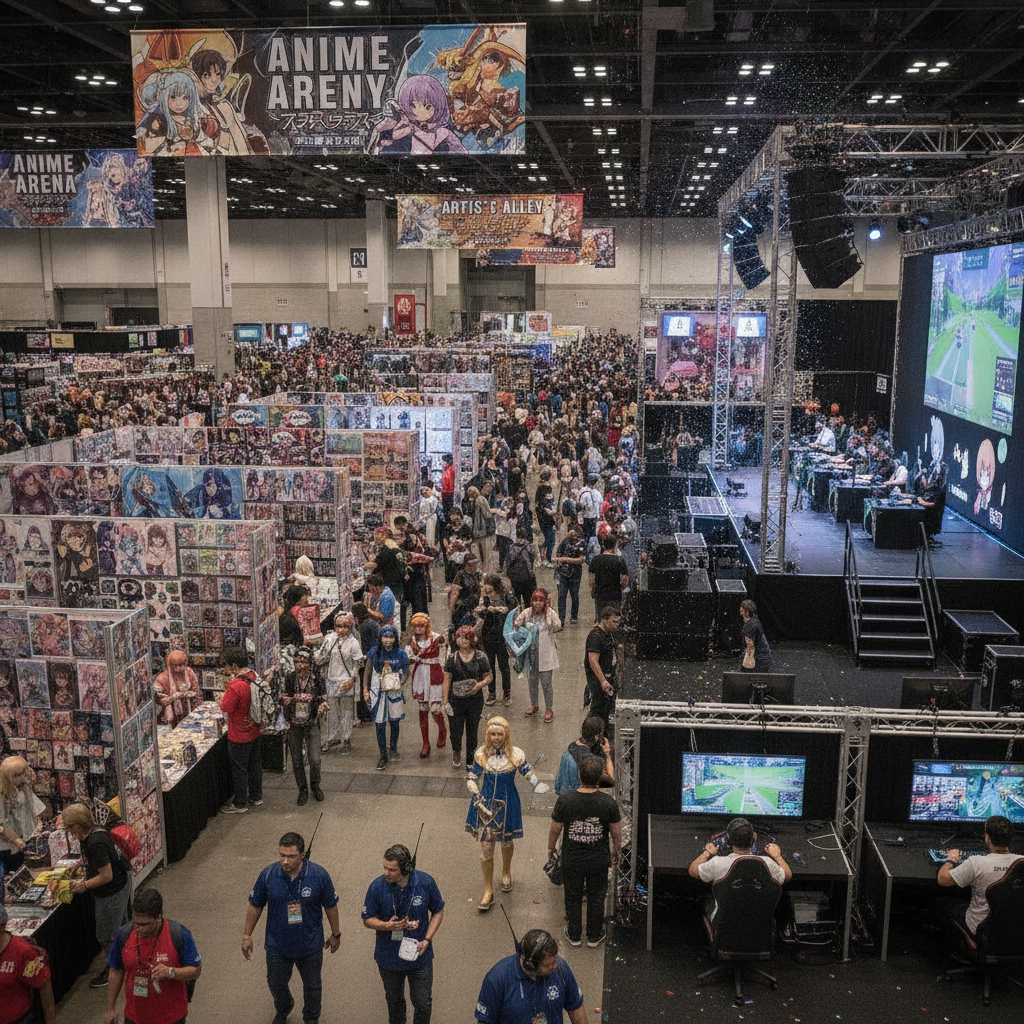
A major anime and gaming convention may look like a weekend of panels, cosplay, tournaments, and shopping, but the public event is only the visible part of a much larger operation. Months before attendees enter the venue, convention organizers are building schedules, negotiating space, coordinating guests, planning safety procedures, and preparing backup solutions for problems that may never appear on the final program.
Every visible detail connects to a backstage decision. A short queue may reflect careful registration design. A smooth celebrity panel may depend on a technical rehearsal, a green room schedule, and a moderator who knows exactly when to end questions. The goal is to create a lively fan experience while making thousands of moving parts work together.
Starting With the Vision and Planning Timeline
Convention planning begins with a clear event vision, audience definition, budget, and timeline. Organizers decide what the anime and gaming convention should feel like, who it serves, how large it can realistically become, and which milestones must be completed before opening day.
The first decisions shape everything that follows. A convention centered on Japanese animation may prioritize screenings, voice-actor guests, cosplay, and artist alley. A gaming-focused event may require more tournament stations, network capacity, broadcast equipment, and sound-controlled rooms. Many events combine both identities, but that blend still needs boundaries so the program does not become impossible to manage.
Turning ambition into an operating plan
Planning commonly moves through several stages:
- 12 to 18 months out: establish the concept, dates, venue goals, financial model, headline guests, and major partnerships.
- Six to 12 months out: open exhibitor and artist applications, develop the first floor plan, confirm programming tracks, and launch registration.
- Three to six months out: finalize guests, tournaments, workshops, room assignments, staffing needs, equipment orders, and safety reviews.
- Final weeks: print signage and badges, brief teams, test technology, confirm deliveries, and prepare contingency plans.
The budget must cover more than venue rental. Security, insurance, labor, audiovisual equipment, internet service, accessibility services, cleaning, signage, guest travel, ticketing systems, and emergency reserves all compete for funding. Choosing a larger venue may improve crowd comfort, for example, while increasing staffing and equipment costs. Strong organizers make those trade-offs early rather than discovering them during setup.
Building the Convention Program
Event programming is built by matching fan interests with room capacity, technical requirements, staff availability, and realistic timing. Panels, workshops, screenings, gaming tournaments, cosplay activities, meetups, and headline events must fit together without creating conflicts or unsafe crowd surges.
Programming teams usually begin by collecting proposals and identifying guaranteed attractions. A guest Q&A may need microphones, stage lighting, a moderator, and a room with controlled entry. A drawing workshop needs tables, chairs, supplies, and enough time for setup. A gaming tournament requires consoles or PCs, displays, controllers, networking, referees, rules, match schedules, and a method for resolving disputes.
Schedulers often use tracks to give the convention structure: anime panels, industry sessions, tabletop games, esports, cosplay, community meetups, and family-friendly activities. They also study likely demand. A popular voice-actor panel placed immediately after a major tournament could create a rush between distant rooms, so the timetable and room locations should account for travel time.
Every session needs an owner. That person confirms speakers, collects presentation files, checks permissions for screenings, communicates arrival times, and reports problems during the event. Moderators keep discussions welcoming and on schedule. A five-minute delay can affect several later rooms, which is why programming teams prepare shortened formats and backup activities.
For competitive gaming, the schedule must include more than match time. Check-in, seeding, technical checks, breaks, tiebreakers, prize announcements, and stream production all need space. A tournament that runs perfectly on paper can still fall behind if controllers fail or players do not arrive, so tournament staff need clear rules for pauses and forfeits.
Managing the Venue and Floor Plan
The venue and floor plan determine how people enter, circulate, gather, shop, eat, and leave. Organizers assign space for stages, exhibitors, artist alley, gaming areas, registration, food service, queues, staff operations, and accessible routes while respecting capacity and fire-safety requirements.
A floor plan is a working system rather than a decorative map. Registration should be visible soon after entry, but it cannot block emergency exits or create a bottleneck. The exhibitor hall needs enough aisle width for browsing and mobility devices. Artist alley benefits from steady foot traffic, while tournament areas may need power, network infrastructure, controlled noise, and room for spectators.
Organizers examine the venue through several practical questions:
- Where will the longest queue form at opening time?
- Can attendees reach elevators, restrooms, food, and quiet areas without crossing a crowded stage entrance?
- Are loading docks, storage rooms, green rooms, and staff corridors separated from public circulation?
- Can a room be cleared quickly if a session ends early or attendance exceeds expectations?
- Are ramps, seating areas, captioning positions, accessible toilets, and sensory considerations properly supported?
Signage turns the plan into something attendees can use. Large directional signs, color-coded programming tracks, queue markers, room-capacity notices, and maps reduce the number of people who need assistance. The compromise is visual density: too little information causes confusion, while too much signage becomes unreadable. Teams often walk the route as first-time visitors and adjust signs based on what is easy to miss.
Coordinating Guests, Exhibitors, and Partners
Guest coordination and exhibitor management depend on precise communication, written requirements, and reliable arrival plans. Organizers must support guests, artists, vendors, sponsors, and production partners while protecting the schedule and the attendee experience.
Guest logistics may include travel, accommodation, airport transfers, badges, autograph rules, green room access, security, stage needs, accessibility requirements, and media schedules. A headline guest may have only a few open windows, so the guest coordinator builds a detailed itinerary that leaves room for meals, breaks, and unexpected delays.
Exhibitors and artist alley participants need different forms of support. Vendors may request electricity, internet, large displays, storage, loading access, or branded signage. Artists may need tables, chairs, lighting, payment space, and clear rules for setup and breakdown. Exhibitor management collects applications, assigns locations, distributes move-in instructions, processes insurance or compliance documents where required, and handles last-minute cancellations.
Partners also affect the operating plan. A sponsor activation can attract a concentrated crowd. A publisher showcase may require restricted-access equipment. A streaming partner might need dedicated bandwidth and camera positions. Each addition creates value for the event, but it must fit the venue’s power, noise, safety, and movement constraints.
Good communication uses several channels without scattering responsibility. A master schedule records commitments, while targeted briefings tell each group what it needs to know. The exhibitor liaison should be able to answer questions quickly, but also know when to escalate a problem to operations, finance, security, or venue management.
The People Behind the Event
Staff and volunteers turn the convention plan into live service. They guide attendees, run rooms, support guests, operate technology, answer questions, manage lines, protect equipment, and report issues to the teams able to fix them.
Convention organizers usually divide responsibility into departments such as registration, programming, guest services, exhibitors, gaming, cosplay, communications, operations, accessibility, safety, and technical production. Each department needs a lead, clear handoffs, and an escalation path. Without that structure, a small problem can bounce between teams while attendees wait.
Volunteer teams often serve as the event’s most visible representatives. They scan badges, check room capacity, direct traffic, reset chairs, distribute microphones, supervise panel lines, and help people find lost items. Their work is practical and social at the same time: a calm answer can prevent frustration from spreading through a crowded hallway.
Moderators keep panels respectful and punctual. Technicians manage projectors, audio, lighting, livestreams, and tournament networks. Security teams handle access control, incident response, and coordination with the venue. Customer-support staff resolve registration errors, badge issues, schedule questions, and accessibility requests.
Training should include more than a tour. Teams need radio etiquette, emergency procedures, safeguarding expectations, privacy boundaries, conflict de-escalation, and instructions for reporting incidents. Volunteers should know what they can solve themselves and what requires a supervisor. Giving people responsibility without authority creates delays; giving authority without training creates risk.
Keeping Thousands of Fans Safe and Moving
Crowd management combines registration, capacity monitoring, queue design, accessibility, security, and real-time communication. The objective is to keep people moving at a safe pace while preserving the excitement of a busy fan event.
Registration and ticketing set the first conditions. Digital tickets, badge pickup, on-site sales, replacement procedures, and identity checks must work under pressure. Separate lines for pre-registered attendees, purchases, press, guests, and accessibility support can reduce confusion, provided the signs are obvious and staff can redirect people when demand changes.
Queue planning starts with the attraction, not the hallway. Popular panels, autograph sessions, gaming finals, and limited merchandise may each need stanchions, overflow space, timed entry, wristbands, or capacity counters. A queue that appears orderly can still obstruct an exit or emergency access route, so venue operations and security review it continuously.
Emergency planning covers medical incidents, lost children, severe weather, evacuation, fire alarms, suspicious packages, power loss, and overcrowding. Staff do not need to improvise a response from memory. They need a simple chain of command, radio codes or plain-language instructions, assembly locations, and a process for documenting incidents. Venue security and local emergency services should be involved before the event, not called into the plan as an afterthought. Guidance from the Federal Emergency Management Agency’s preparedness framework can help organizers think through capabilities and coordination.
Accessibility belongs in the same operational conversation. Accessible seating, step-free routes, captioning, interpreters where available, quiet spaces, service-animal procedures, and priority assistance should be communicated clearly. These provisions improve the event for many attendees, yet they require real space and trained personnel. Treating them as optional extras usually creates avoidable stress on opening day.
Event Day—and What Happens Afterward
Event day depends on final checks, live coordination, rapid troubleshooting, and a disciplined post-event review. The work continues from early setup until the last equipment case leaves the venue.
Before doors open, teams inspect registration stations, test radios, verify room layouts, check power and internet, place signs, confirm guest arrivals, walk emergency routes, and compare the physical venue with the latest floor plan. A short all-hands briefing establishes priorities, weather information, schedule changes, and the person responsible for each escalation.
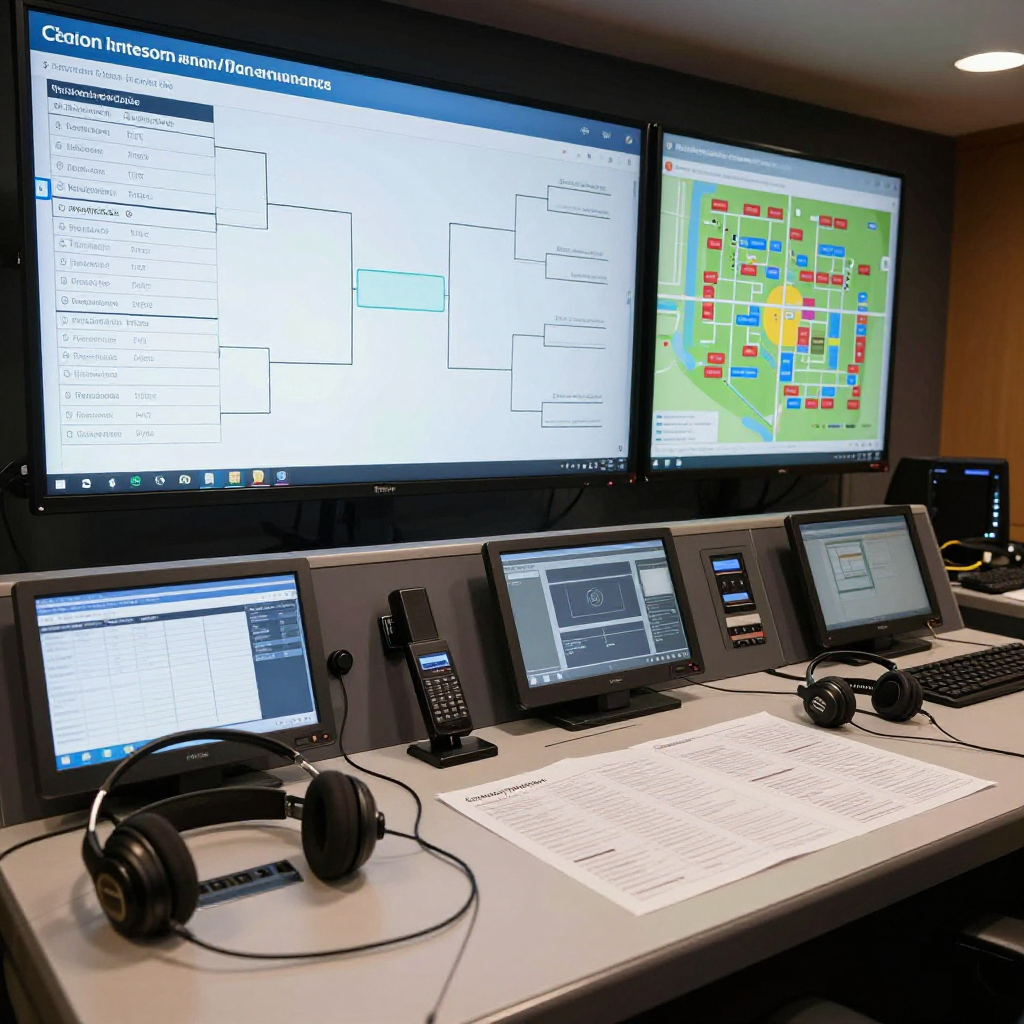
Once attendees arrive, an operations or command team monitors the event through radio reports, staff messages, capacity counts, and venue updates. A panel may move rooms if demand is higher than expected. A tournament may need a revised bracket after a network failure. A guest delay may require a shorter appearance or a temporary schedule change. The public may see only a revised sign, while several departments are coordinating the decision behind it.
Teardown requires the same care as setup. Exhibitors collect merchandise, technicians dismantle equipment, volunteers remove signs, and staff check for lost property, damage, waste, and unreturned badges or radios. Financial reconciliation, incident reports, attendance analysis, ticketing data, exhibitor feedback, volunteer debriefs, and venue reviews follow afterward.
A useful evaluation asks three questions: What supported the fan experience? Where did people lose time or information? Which risk was handled well, and which needs a new procedure? The answers shape next year’s floor plan, staffing model, ticketing process, and programming strategy. That continuous feedback loop is how a convention grows without allowing its complexity to grow unchecked.
Frequently Asked Questions
How far in advance does convention planning begin?
Major anime and gaming convention planning often begins 12 to 18 months ahead, especially when venue contracts, headline guests, travel, large exhibitors, and complex technical production are involved. Smaller community events may work on a shorter schedule, but the same dependencies still apply.
What do convention volunteers and staff do?
Volunteers and staff run registration, guide attendees, manage queues, support panels, assist guests and exhibitors, reset rooms, operate radios, answer questions, and report safety or technical issues. Department leads coordinate these duties and make operational decisions.
How are panels, tournaments, and cosplay events scheduled?
Programming teams balance audience demand, room capacity, technical requirements, speaker availability, setup time, and travel distance between spaces. Gaming tournaments also require check-in, match administration, equipment testing, breaks, and contingency time.
How do organizers manage large crowds and long queues?
They use advance registration, clear signage, separate queue zones, capacity counters, timed entry where appropriate, trained staff, accessible routes, and real-time monitoring. Popular attractions may receive overflow rooms or schedule changes when demand exceeds the original plan.
What happens after the convention ends?
Teams complete teardown, return equipment, settle venue and vendor matters, document incidents, review finances, collect feedback, and analyze attendance and program performance. Those findings become the starting point for the next convention rather than an afterthought.